The More Layers, the Longer It Lasts Myth
The more layers, the longer it lasts is a makeup myth. Learn how product amount, formula, skin, and placement shape wear without needless buildup.
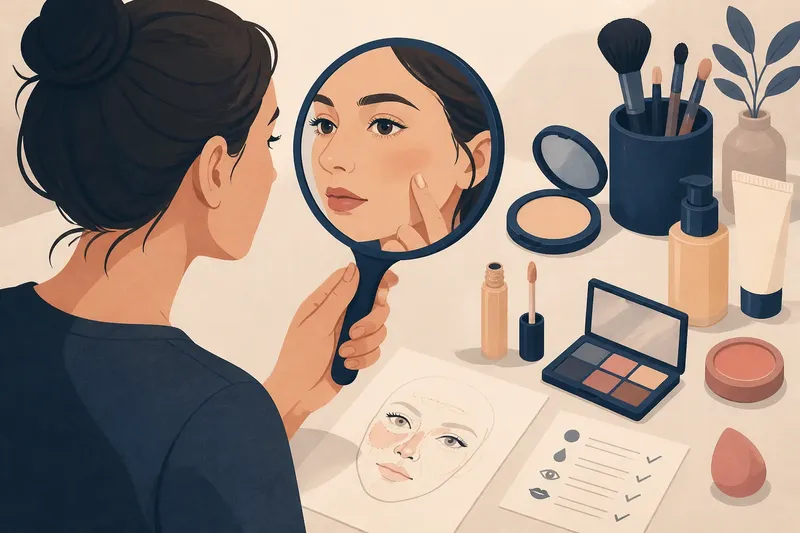
Does the more layers, the longer it lasts? Not necessarily. The more layers, the longer it lasts is a makeup myth: added product can increase coverage, but it does not automatically improve adhesion or wear. Durability depends on how a formula settles on your skin, how it meets the layer beneath, and what the finished makeup needs to do.
Why don’t extra layers automatically improve wear?
A layer is useful only if it has a job. A thin coat of foundation may even out tone; a small amount of concealer can then address a spot that still shows. Adding another full coat everywhere may create more material without making the base more stable. If the underlying layer moves, a thicker coating on top can move with it.
Products also interact. A creamy layer beneath a powder may feel set, but rubbing, facial movement, or oil can still disturb the makeup. More powder may absorb some surface shine, yet a heavy application can look dry or emphasize texture. These effects vary with the product, the skin, and where the makeup sits.
Think of durability as a fit between formula, amount, placement, and conditions, not a contest to apply the most product. Extra layers can be appropriate when they solve a specific problem, such as building coverage over a small area.
What does each layer need to do?
Before adding product, name the job you want the next layer to perform. It might add coverage, change the finish, soften an edge, or reduce shine in a particular area. If you cannot identify the job, another coat may only make the existing texture more noticeable.
- Coverage: Apply foundation where you want a more even base; use concealer selectively where more coverage is still needed.
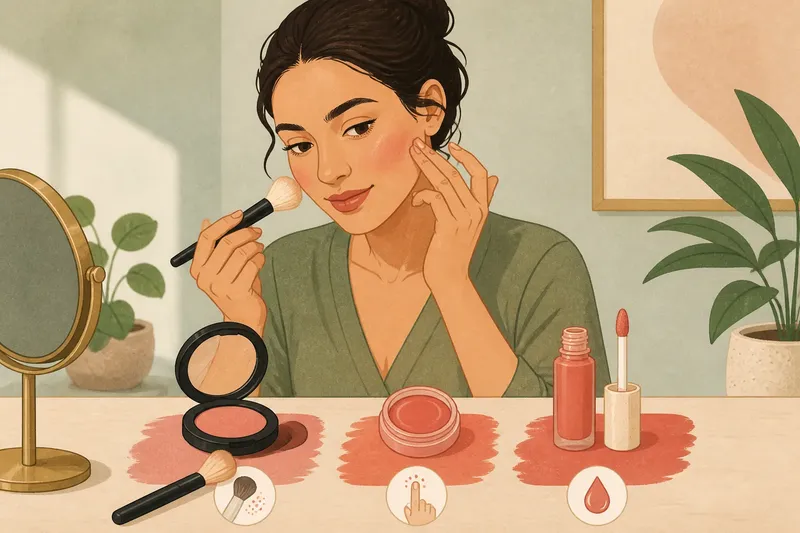
- Color: Add a small amount of blush or bronzer, then assess the result in ordinary light before building it further.
- Finish: Use a finishing powder only where a less shiny appearance is wanted, rather than treating every area alike.
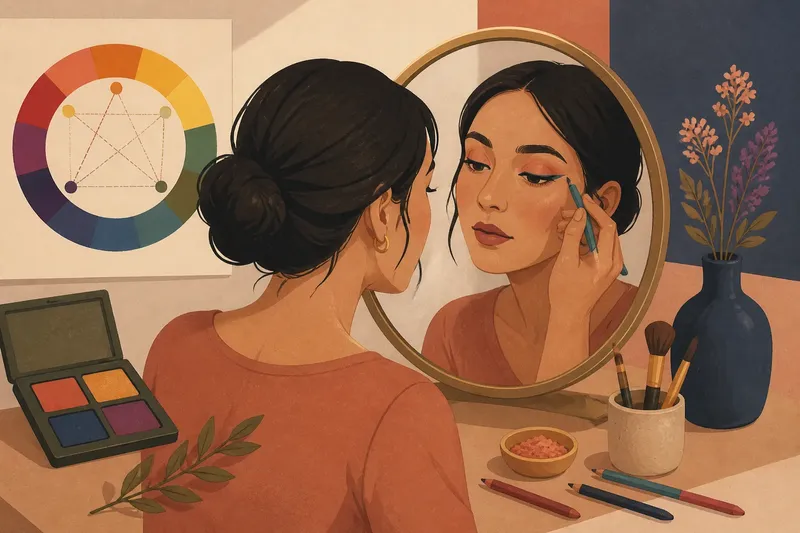
- Definition: Build an eye or lip color gradually so that each pass adds visible color without obscuring the edges.
For example, say you apply a light foundation and still see a small area of redness beside your nose. Adding another layer across your whole face may leave the rest looking heavier. Placing a little concealer only over the redness has a clear purpose, and you can stop when the area looks closer to the surrounding skin.
How can you tell when to stop layering?
Stop when the intended effect is visible and the surface still looks and feels comfortable. A fresh layer can seem subtle while you are applying it, so check the whole area after blending. Look for edges, product collecting in creases, a patch that catches light differently, or color that has become stronger than intended.
Use a small amount and give it a moment to settle before deciding whether more is needed. This pause helps you distinguish a genuine coverage gap from a product that has not finished blending. A clean fingertip or the tool already suited to the formula can soften a boundary without adding another coat.
Also consider movement. Makeup around the mouth, eyelids, and nose is affected by expressions and contact, so a thick layer there may feel less comfortable than a restrained one. The goal is not to make every area equally covered; it is to choose an amount that suits the area and the look.
Which factors matter more than product amount?
Formula and finish: Some formulas dry down to a more set feel, while others remain flexible or emollient. Combining products with very different textures can change how the surface behaves. A sample swatch can help you see whether two products blend together or stay distinct.
Skin and placement: Oil, dryness, and natural texture are not uniform across the face. A product that sits comfortably on the cheek may separate around the nose or gather near the eyes. Applying less in a moving or textured area can look smoother than adding more to compensate.
Application method: Pressing, stippling, and sweeping create different finishes. A dense brush can place more pigment in one pass than a fluffy brush, while a sponge can soften the appearance of some cream products. Choose the tool for the result you want, then keep pressure gentle enough to avoid shifting the layer below.
Everyday conditions: Touching the face, wearing glasses, eating, or spending time in warm or humid surroundings can affect makeup. No amount of layering makes a look immune to contact. If an area regularly transfers, reducing product there may be more helpful than adding more.
What should you do when makeup fades or separates?
Identify the kind of change before reaching for another product. Fading means color has become less visible; separation means the surface looks uneven or broken apart; transfer means makeup has moved onto something else. These problems call for different responses, and a thick coat is not a universal fix.
- If color fades, consider whether the shade or formula is suited to the area and whether the amount was enough to show after blending.
- If makeup gathers in a crease, use less product there and blend the edge rather than covering the crease with another full layer.
- If the base looks patchy, avoid rubbing on fresh makeup. Gently press and blend the boundary, then reassess before adding anything.
- If a specific area becomes shiny, use a little powder there if that finish suits you; leave other areas alone.
When the right choice depends on a product label, manufacturer instructions, or local rules, follow that guidance rather than assuming products can be combined or used in any way.
Which questions about longer-lasting makeup come up most?
Does setting powder make every makeup look last longer?
No. Powder can change shine and help a surface feel less tacky, but its effect depends on the formula beneath it and where you apply it. A light application in selected areas may be more comfortable than powdering the entire face.
Should you wait between makeup layers?
A brief pause can make it easier to see how a product has settled and whether another layer is needed. There is no single wait time that suits every formula, so use the product’s directions and judge the visible finish.
Can a primer replace careful application?
Primer may change how makeup feels or sits, but it does not correct every mismatch between products or every application issue. Choose one for a specific purpose, such as a smoother feel, and assess it with the products you plan to wear over it.
What is the best way to build coverage?
Start with a light application, blend it, and add product only where coverage remains short of your goal. This keeps you in control of placement and makes it easier to stop before the finish becomes heavy.
How can you make a durable look without a universal fix?
Choose one priority for the look, such as even tone or a defined lip, and concentrate product where it serves that purpose. Keep layers thin, give them time to settle, and check how the finished makeup looks across the face rather than judging one small spot alone. If a product repeatedly shifts, reconsider the formula, placement, or amount instead of treating extra product as the answer.
The more layers, the longer it lasts is not a dependable rule; a well-chosen amount can be more wearable than repeated buildup. Make each pass earn its place, and let the surface—not the number of layers—tell you when the look is finished.